Flowercare

How to make your bouquet last a week and longer: our florists’ tips for every flower and a guide you can print.

8 min read
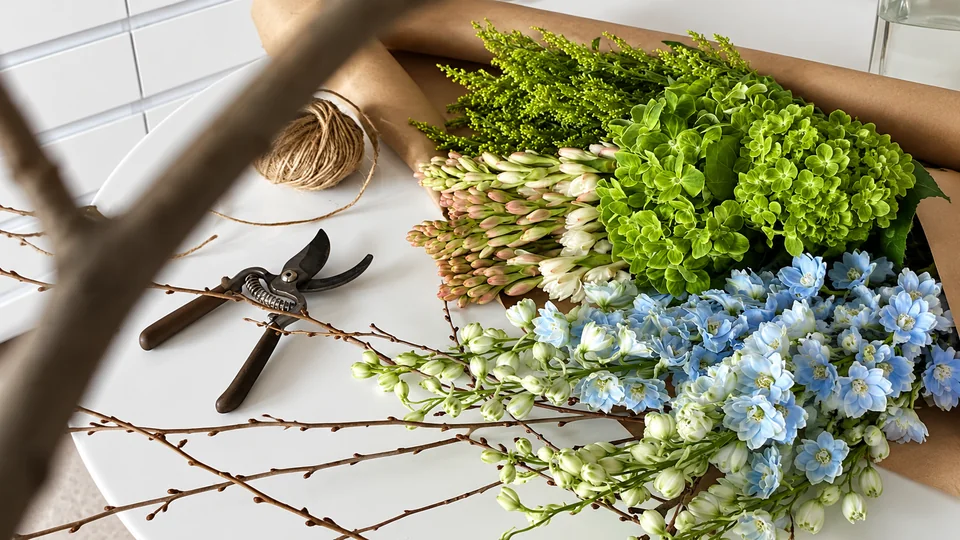
Cut flowers on a white table: hydrangea, delphinium, secateurs and a ball of twine
A week and longerThat is how long a bouquet lasts if you follow the care rules
How long they last
  • Roses 7–10 days
  • Garden roses 5–7 days
  • Peonies 4–6 days
  • Tulips 5–7 days
  • Chrysanthemums up to 3 weeks
  • Hydrangeas 5–7 days
  • Lisianthus up to 2 weeks
  • Lilies up to 2 weeks
  • Carnations up to 2–3 weeks
  • Gerberas 7–10 days
  • Alstroemeria up to 2 weeks
  • Ranunculus 5–7 days
  • Gypsophila 7–10 days
  • Daisies 7–10 days
  • Sunflowers 7–10 days
  • Gladioli 7–10 days
  • Stock 5–7 days
  • Freesias 7–10 days

The first15 minutes

The bouquet has just arrived. What you do now decides how long it will last.

  1. .01
    Remove the wrapping

    Film and paper keep moisture around the stems, where bacteria grow faster. You can keep the ribbon if you want the bouquet to hold its shape.

  2. .02
    Recut the stems

    With a sharp knife, at a 45° angle, 1–2 cm up. Ideally — under running water so that no air gets into the stem.

    After that Repeat every two days

  3. .03
    Remove extra leaves

    Everything that would be below the water line: leaves in water start to rot within a day.

  4. .04
    Water and flower food

    A clean vase, settled room-temperature water and the sachet of flower food we put in with the bouquet. For tulips — cooler water.

    After that Change the water daily

  5. .05
    Choose the spot

    Coolness and diffused light. Away from radiators, sunlight, draughts and fruit bowls.

    After that Keep it away from fruit: fruit releases ethylene, and flowers wilt faster

Enjoy it for a week
and longer
Printable guide

Every flowerhas its own character

Eighteen flowers from our bouquets and what each of them needs

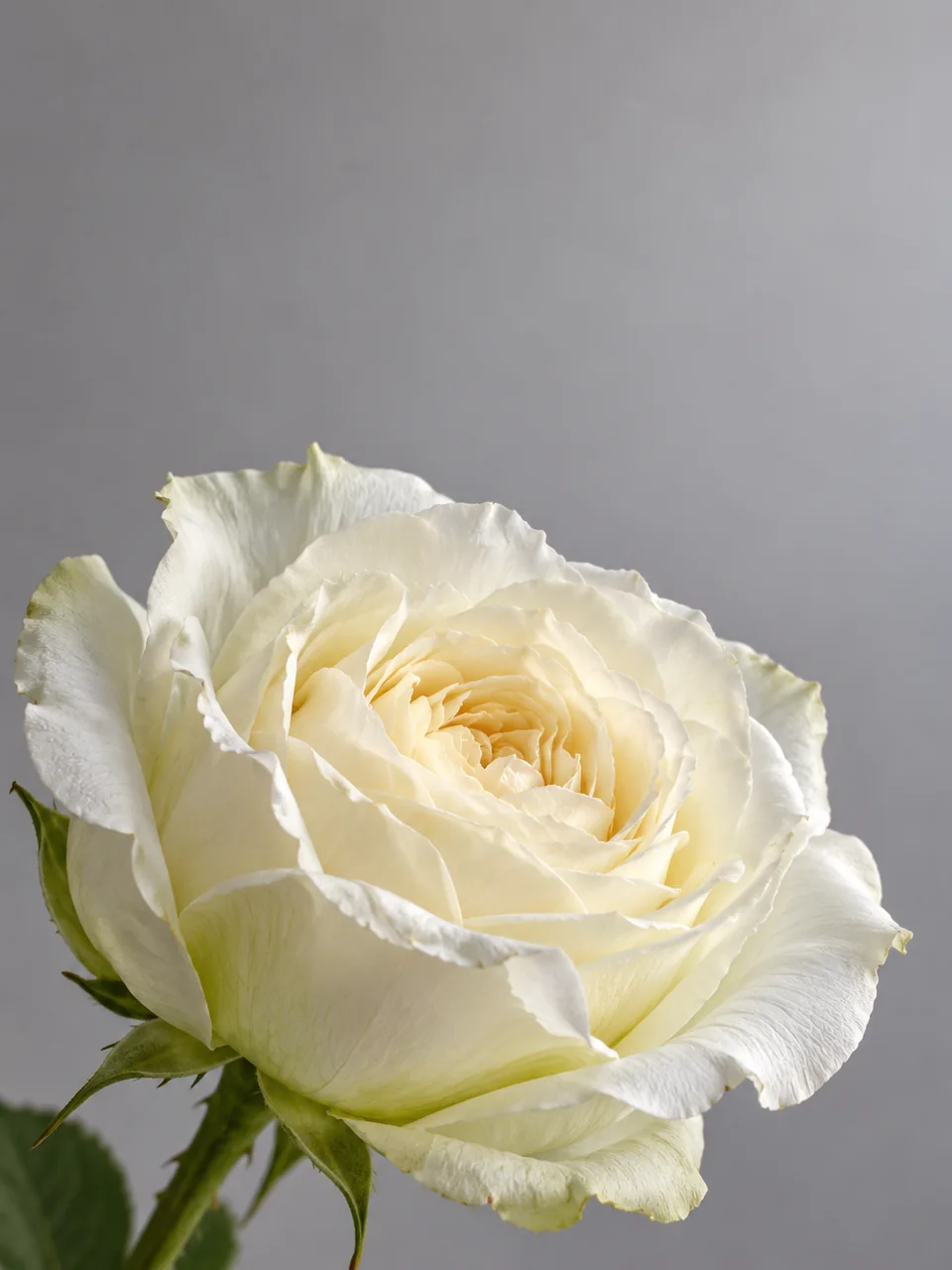
White rose on a grey background

Roses

Love a deep vase and coolness

Last
7–10 days
Water
deep, up to half the stem
Cut
every 2 days
  • Remove the lower leaves and thorns that would end up in the water
  • Fill the vase to half the stem height
  • Recut the stems every two days
  • A drooping bud can be saved by a fresh cut and an hour in cool water up to the head
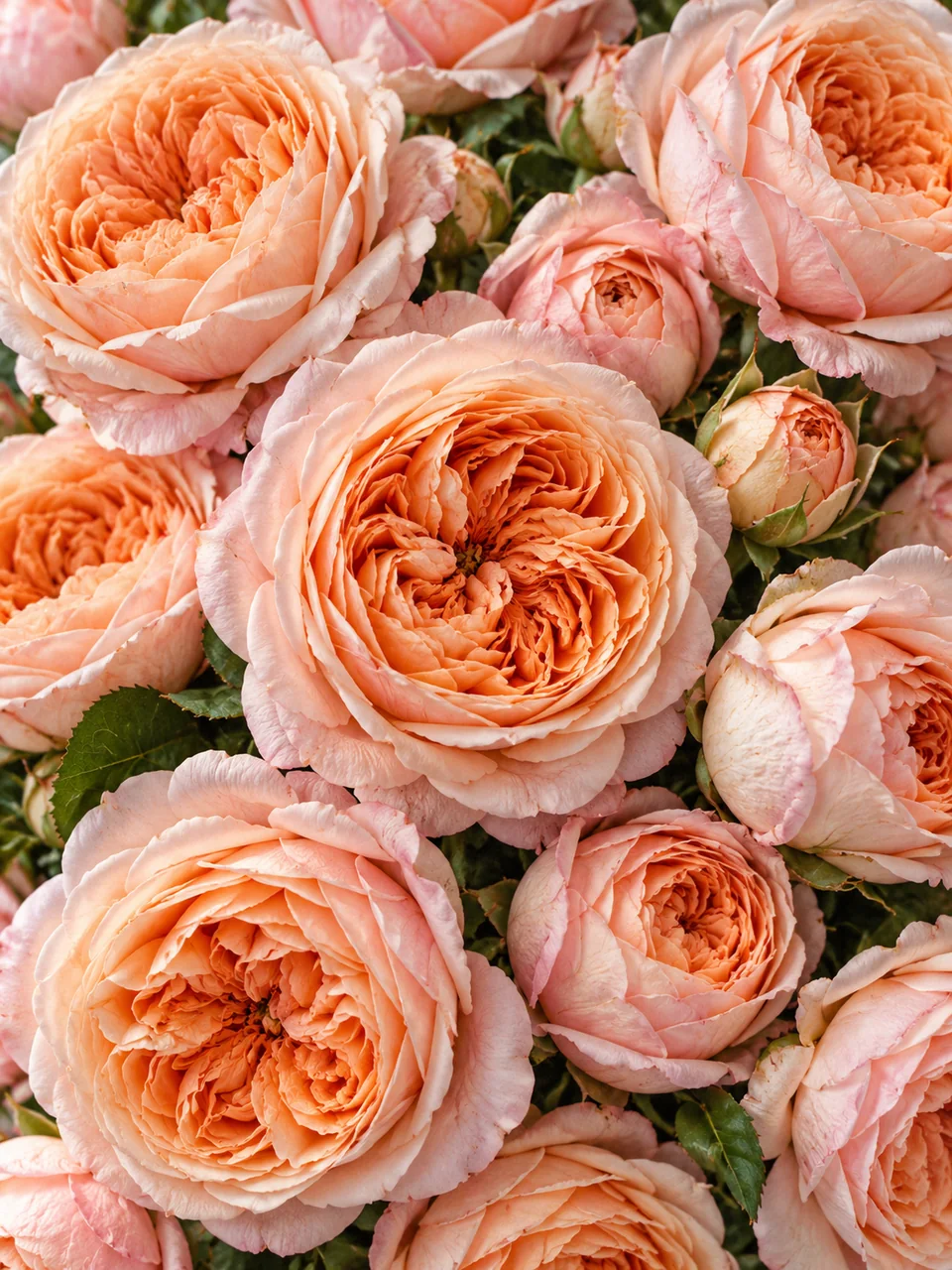
Peach garden roses, close-up

Garden roses

Open faster than classic roses

Last
5–7 days
Water
deep, up to half the stem
Cut
every 2 days
  • Care as for a rose: a deep vase and water up to half the stem
  • A bud opens in 2–3 days, so they last less than classic roses
  • Keep away from draughts and fruit: ethylene makes the petals drop
  • An open head is heavy — cut the stem shorter if it starts to lean
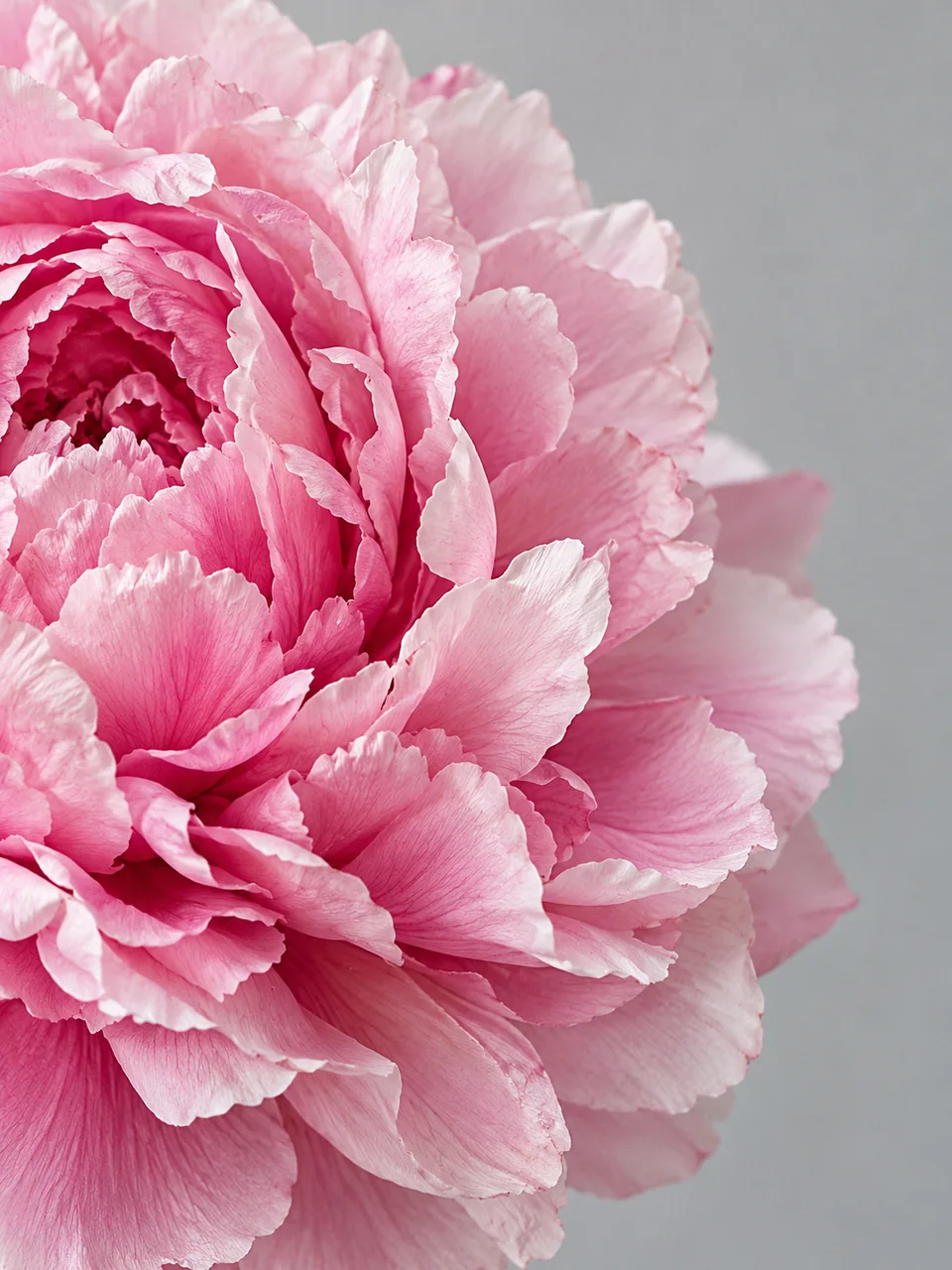
Open pink peony, close-up

Peonies

Open before your eyes

Last
4–6 days after opening
Water
5–7 cm, cool
Cut
every 2 days
  • Tight buds open in 1–2 days in a warm room
  • Want to slow them down? — Move the bouquet somewhere cool overnight
  • A little water, 5–7 cm, change it every day
  • Heavy heads need a stable vase with a wide base
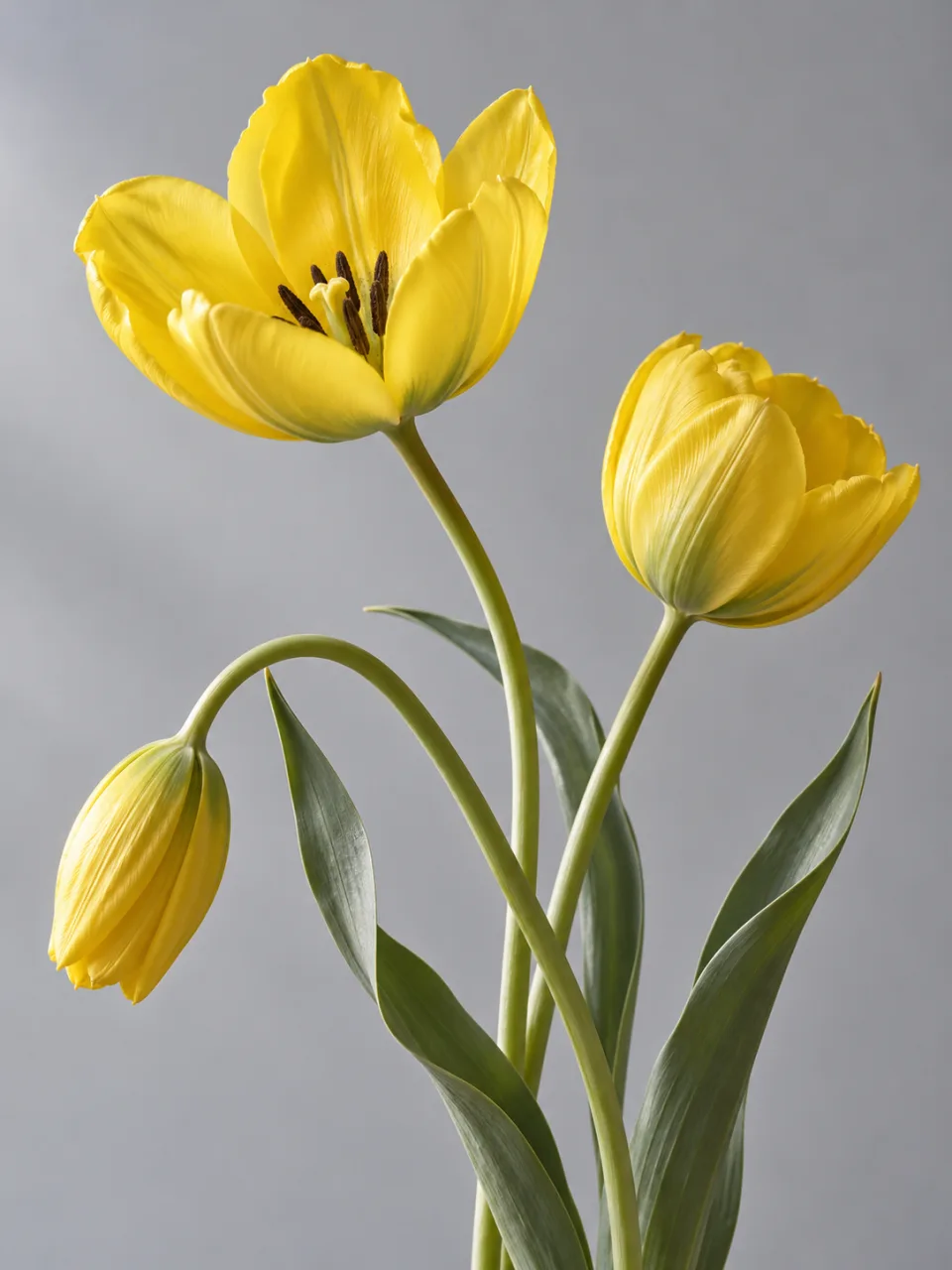
Three yellow tulips on a grey background

Tulips

Keep growing even in a vase

Last
5–7 days
Water
cold, 5–7 cm
Cut
every day, straight or angled
  • A little cold water — 5–7 cm, you can add an ice cube
  • Stems reach for the light: turn the vase so they do not bend
  • Do not put them with daffodils: daffodil sap shortens the life of tulips
  • Bent? — Wrap the bouquet in a paper cone and stand it in cold water for a couple of hours
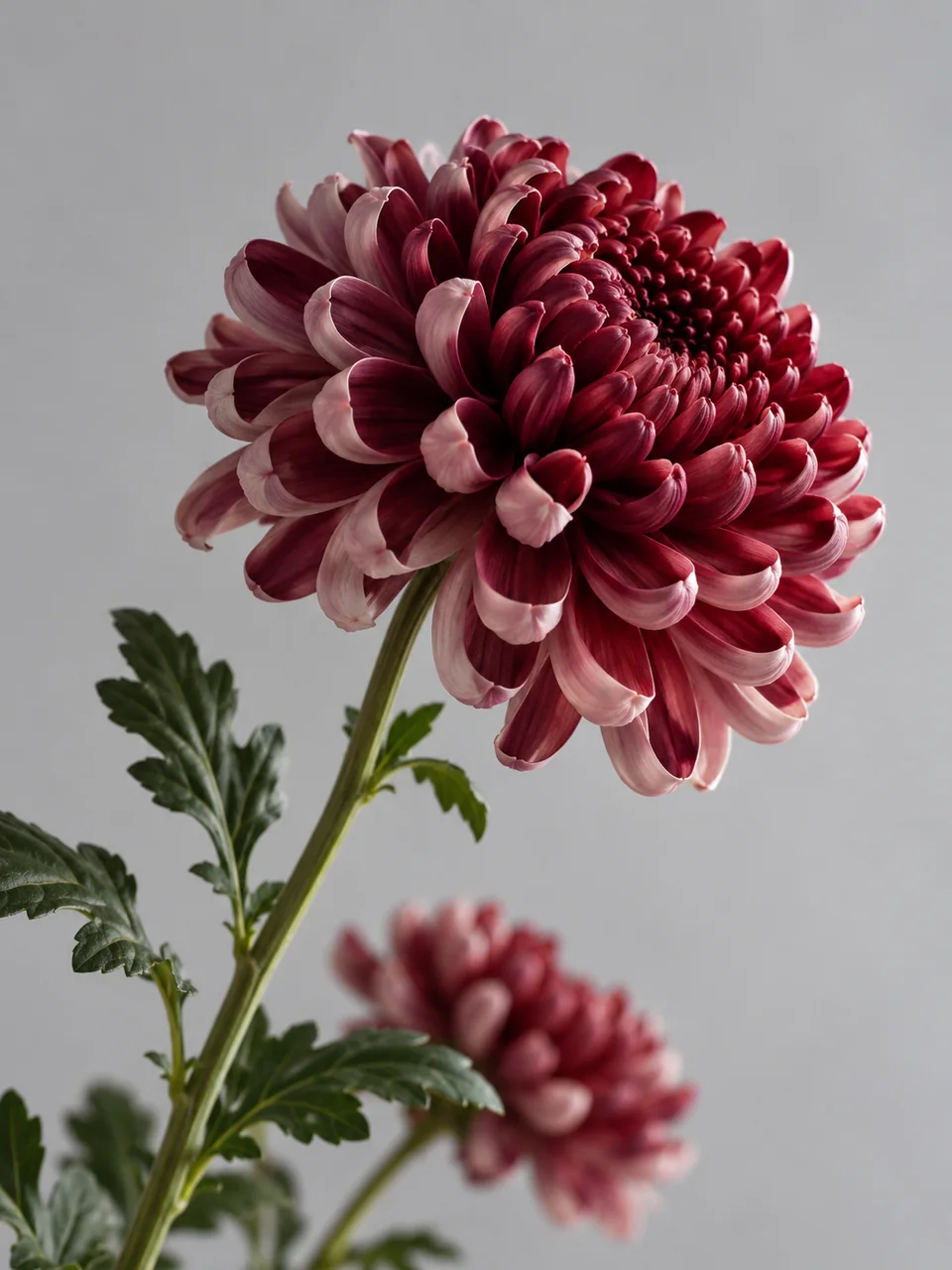
Burgundy chrysanthemum on a grey background

Chrysanthemums

The most long-lasting in a bouquet

Last
up to 2–3 weeks
Water
a third of the vase
Cut
every 2–3 days
  • Leaves rot first — strip everything below the water line
  • The stem is tough: cut it with a sharp knife, not scissors
  • Change the water every two days
  • In a cool room they bloom for up to three weeks
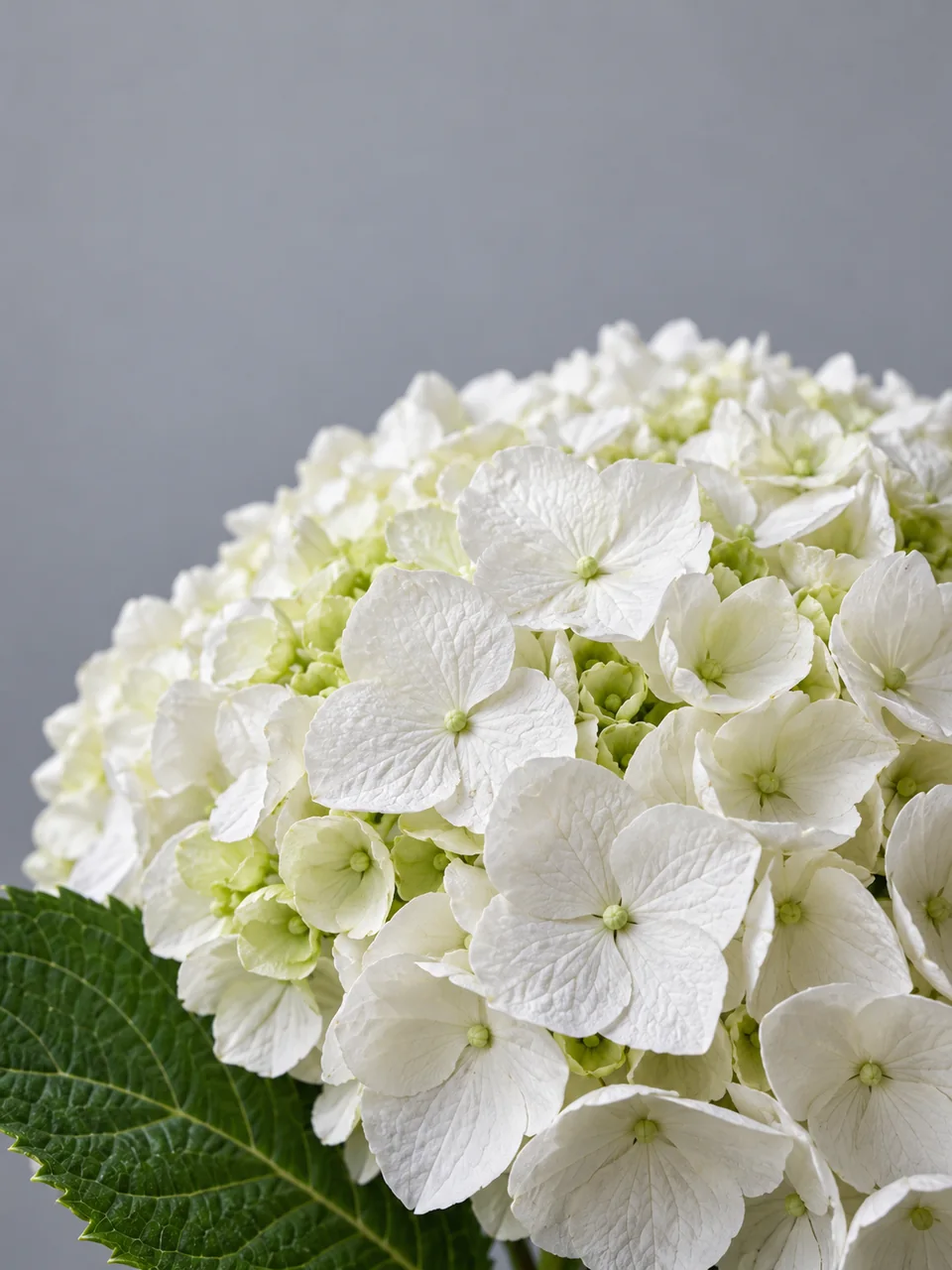
White hydrangea on a grey background

Hydrangeas

Drink even through their petals

Last
5–7 days
Water
plenty + misting
Cut
every day
  • Use plenty of water — fill the vase two-thirds
  • Mist the flower heads with a spray bottle every day
  • Split the stem lengthwise by 2–3 cm: it drinks better that way
  • The head has wilted? — Submerge it entirely in cool water for 30–40 minutes
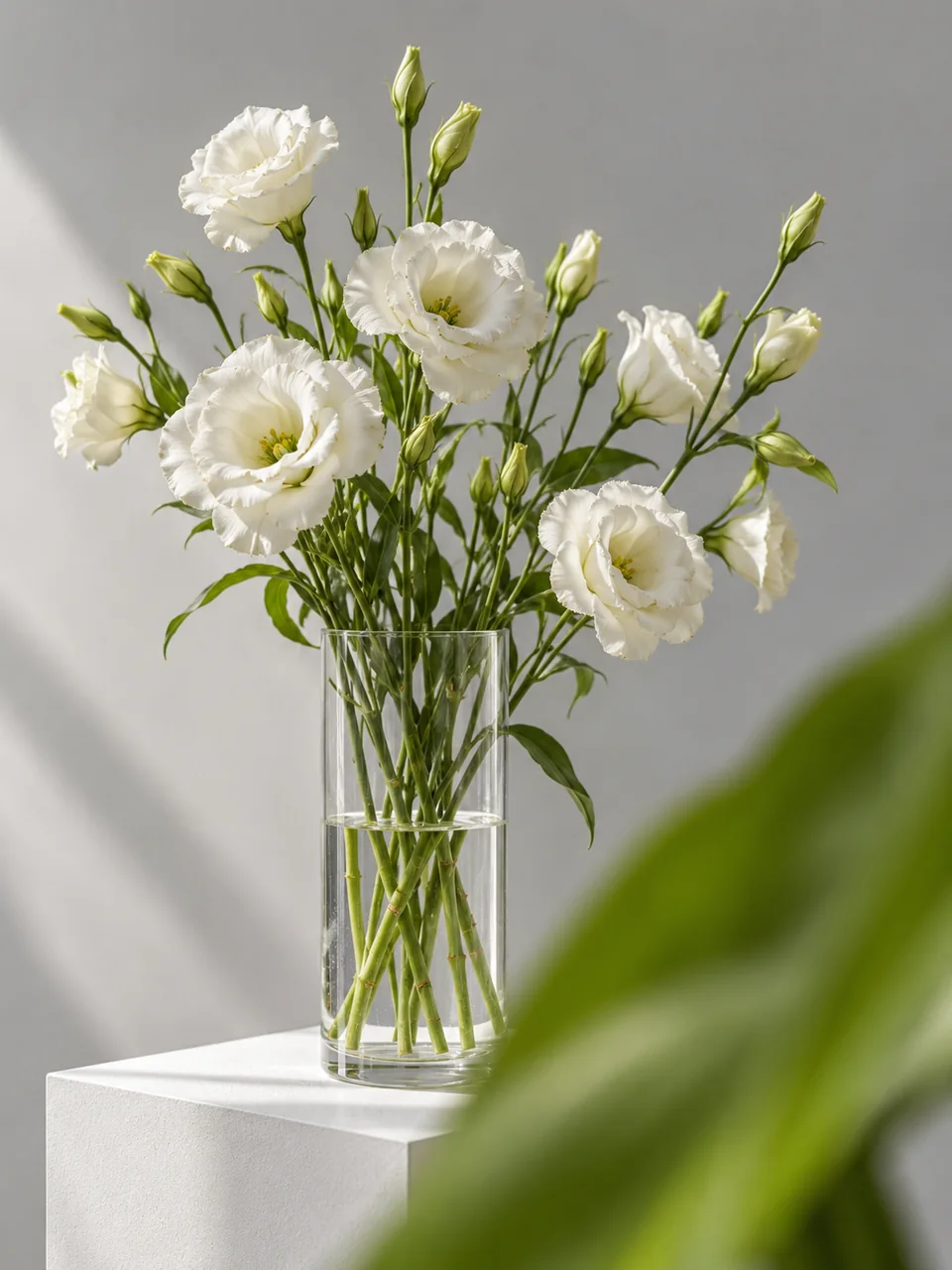
White lisianthus in a glass vase

Lisianthus

Delicate to look at, sturdy in a vase

Last
up to 2 weeks
Water
a third of the vase
Cut
every 2–3 days
  • The stems are thin: cut with a sharp knife so they are not crushed
  • Little water — a third of the vase: in deep water a thin stem rots
  • Cut off faded blooms — the buds next to them will open in turn
  • Do not mist: water drops leave spots on the petals
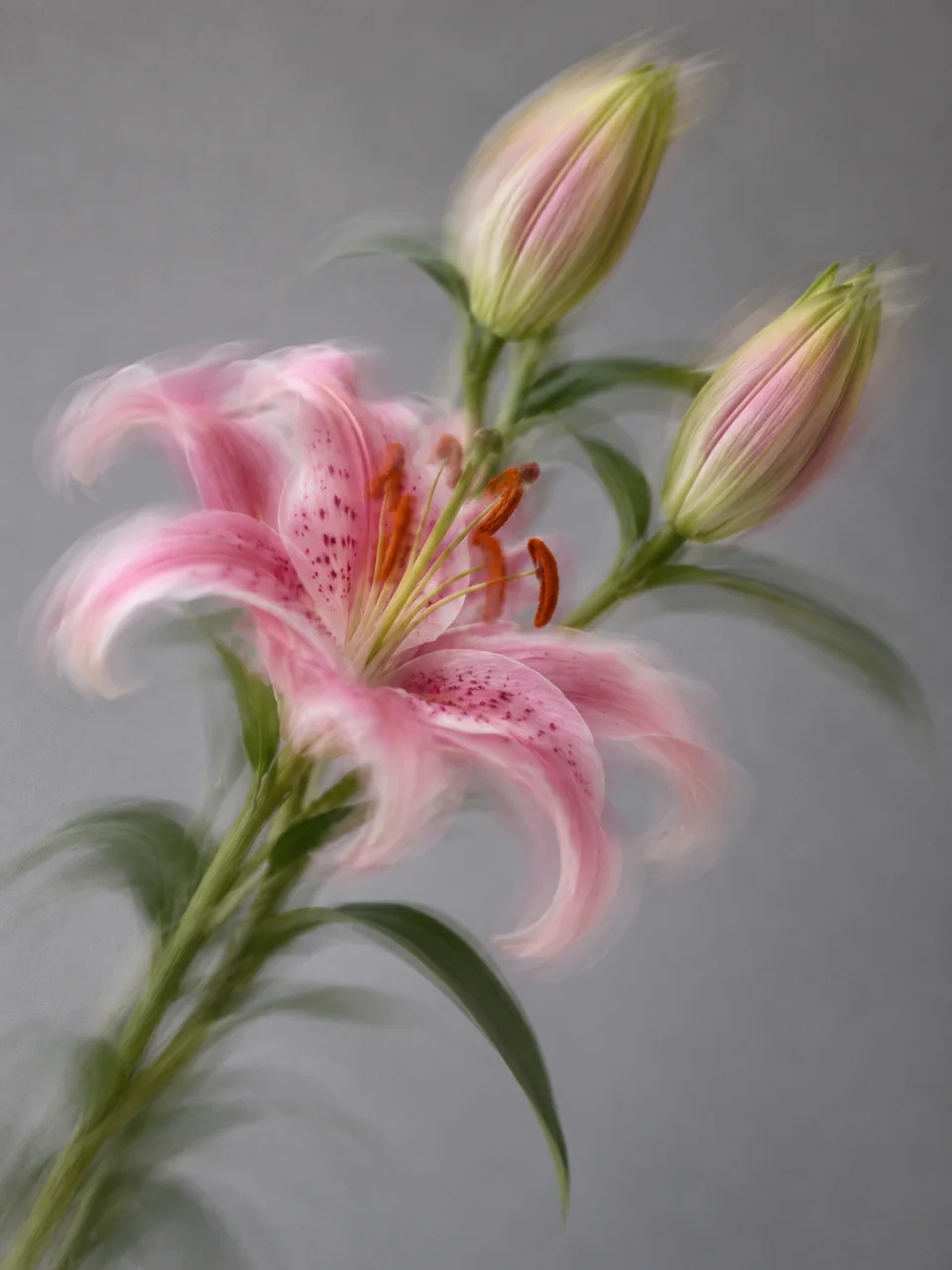
Pink lily with buds on a grey background

Lilies

Open bud after bud

Last
up to 2 weeks
Water
half the vase
Cut
every 2–3 days
  • Once a bud opens, remove the anthers with a tissue: pollen stains petals and clothes, and without it the flower lasts longer
  • Fill the vase halfway and change the water every day
  • Cut off wilted blooms so the top buds have the strength to open
  • Lilies are poisonous to cats — both the pollen and the vase water are dangerous. With a cat at home, choose other flowers
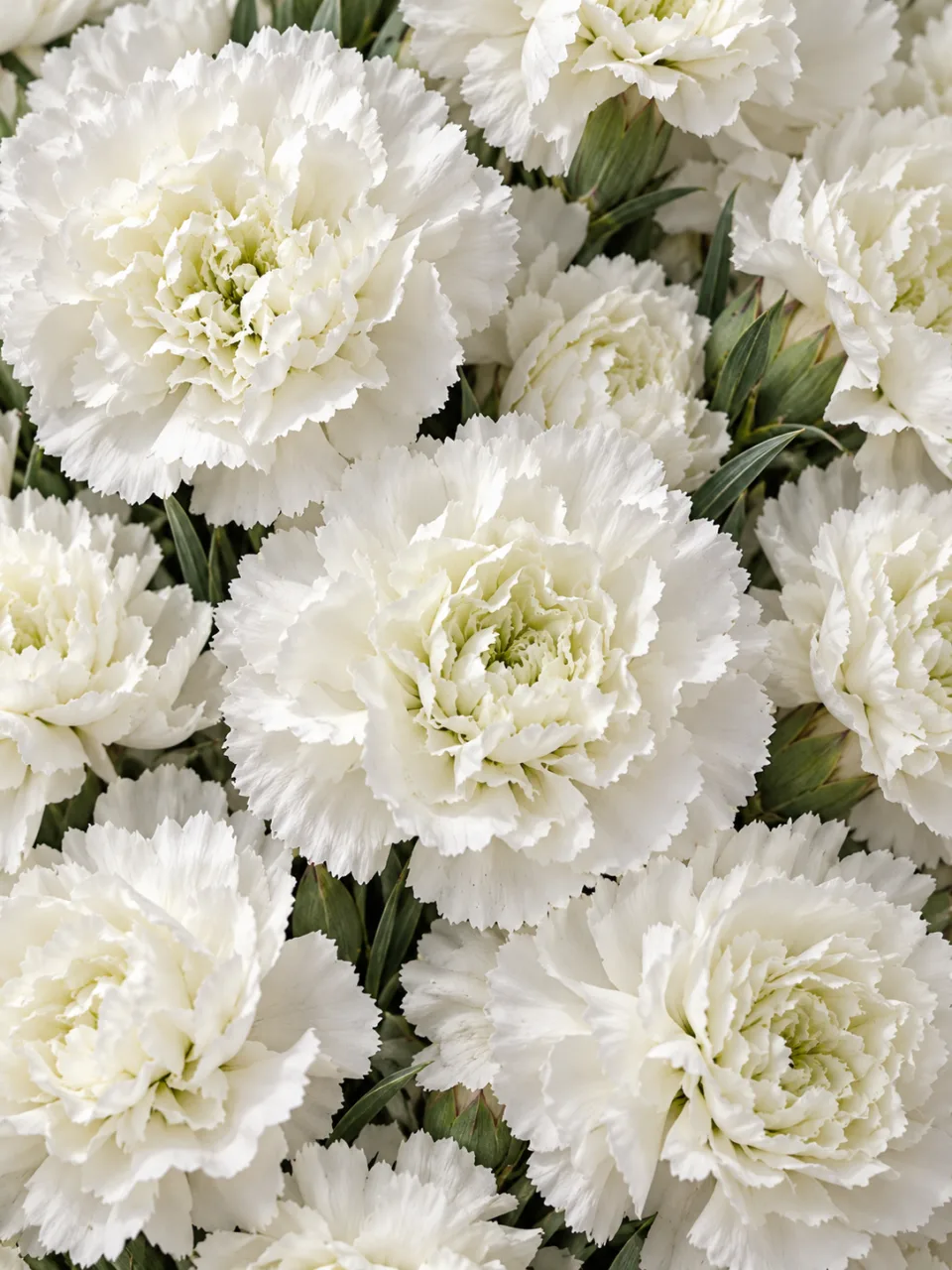
White carnations, close-up

Carnations

Outlast almost every other flower

Last
up to 2–3 weeks
Water
half the vase
Cut
every 2–3 days
  • Cut the stem between the swollen nodes: water does not pass through a node
  • Fill the vase halfway and change the water every two to three days
  • Keep away from fruit: carnations are very sensitive to ethylene — the buds stop opening
  • Do not mist the heads: water drops leave spots on the petals
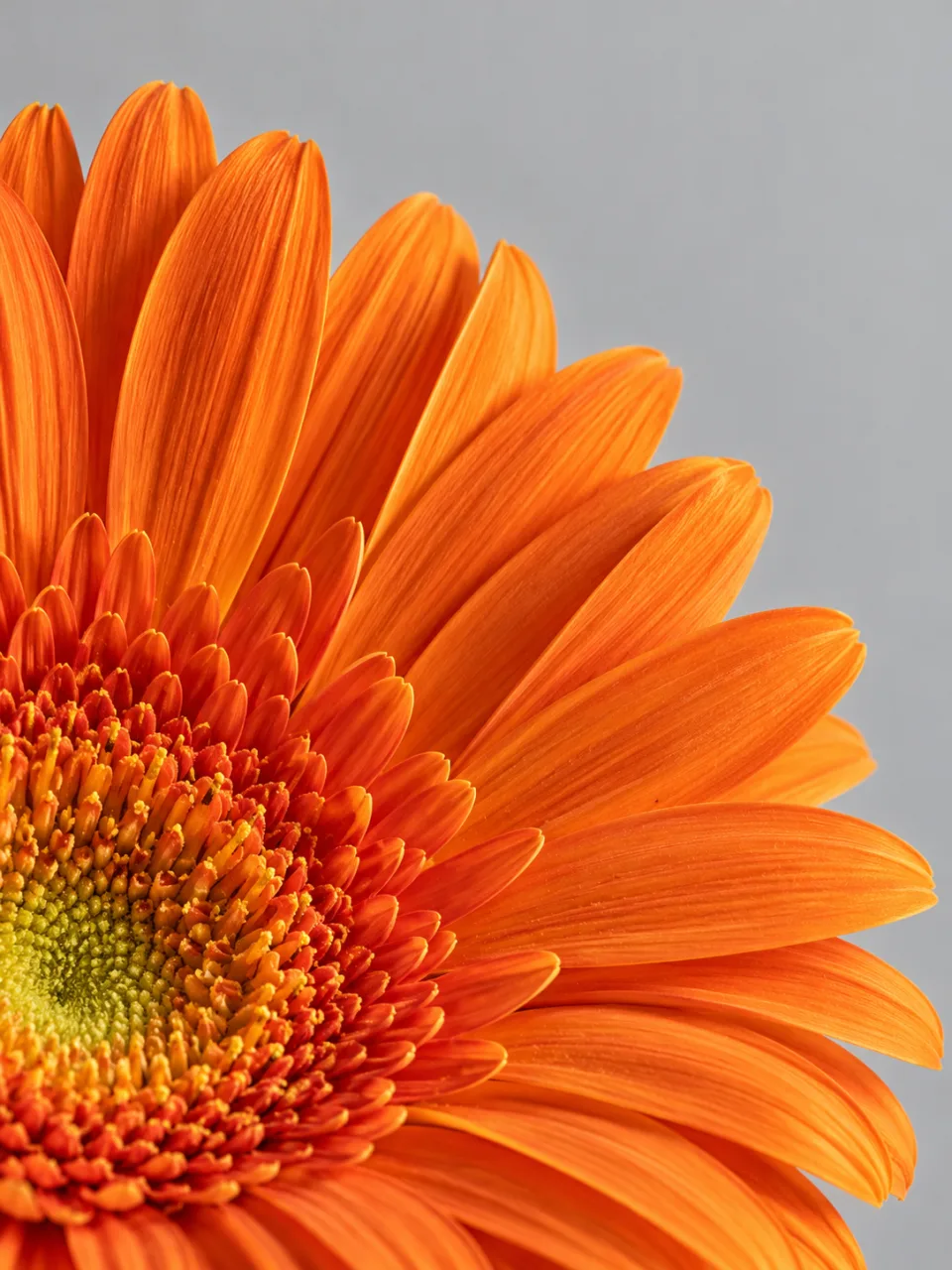
Orange gerbera, close-up

Gerberas

Drink a little at a time

Last
7–10 days
Water
3–5 cm, change every day
Cut
every 2 days
  • Very little water — 3–5 cm: the downy stem rots in deep water
  • Change the water every day and wash the vase — gerberas are sensitive to bacteria
  • The head is heavy: choose a tall vase so the stem can rest on the rim
  • Recut the stems every two days, at an angle
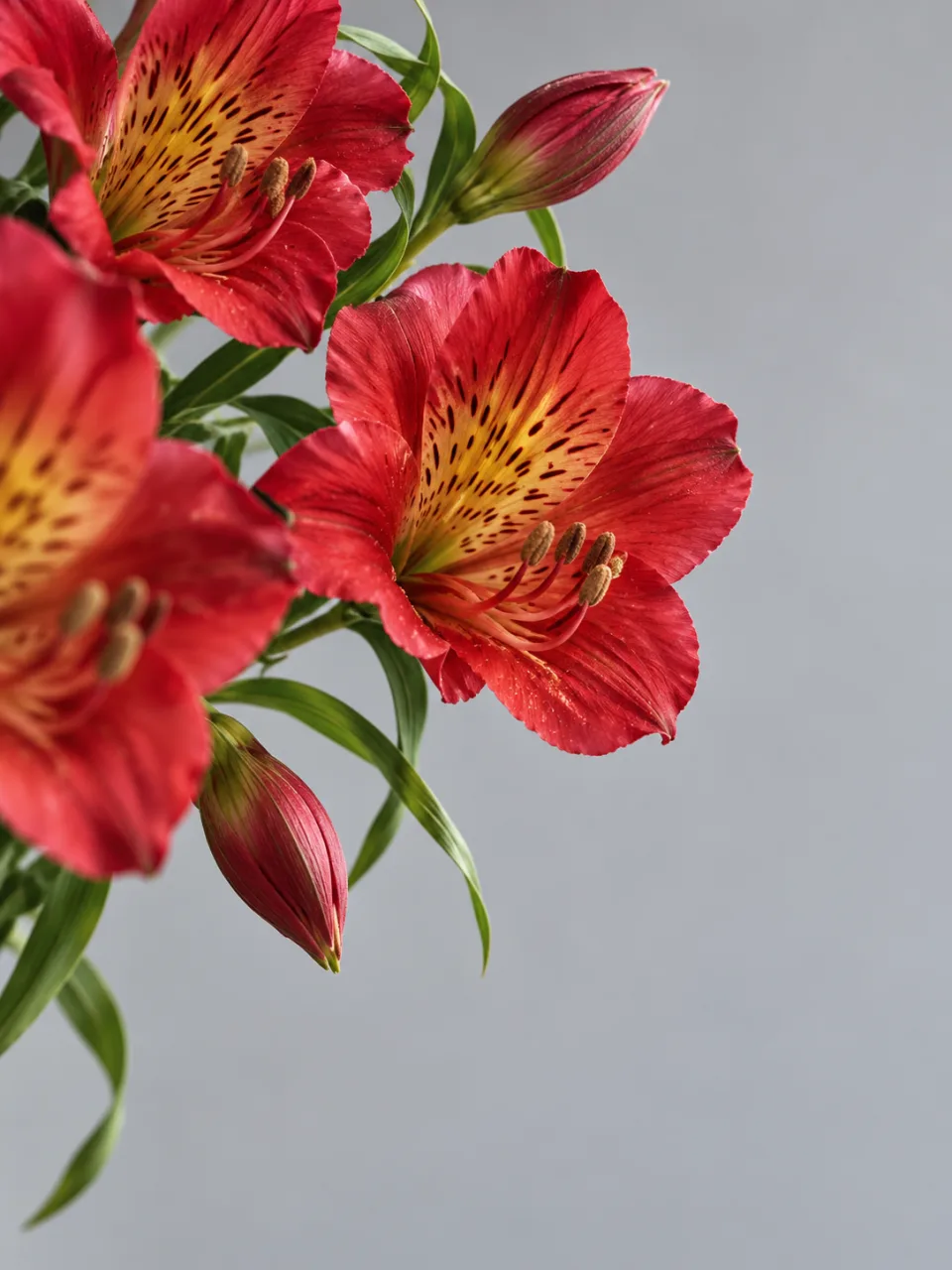
Red alstroemeria on a grey background

Alstroemeria

Bloom in a vase for up to two weeks

Last
up to 2 weeks
Water
half the vase
Cut
every 2–3 days
  • Strip the leaves below the water line: they yellow before the flowers do
  • Fill the vase halfway and change the water every two days
  • Remove a faded bloom together with its stalk — the buds next to it will open
  • Alstroemeria sap can irritate sensitive skin — wash your hands after cutting
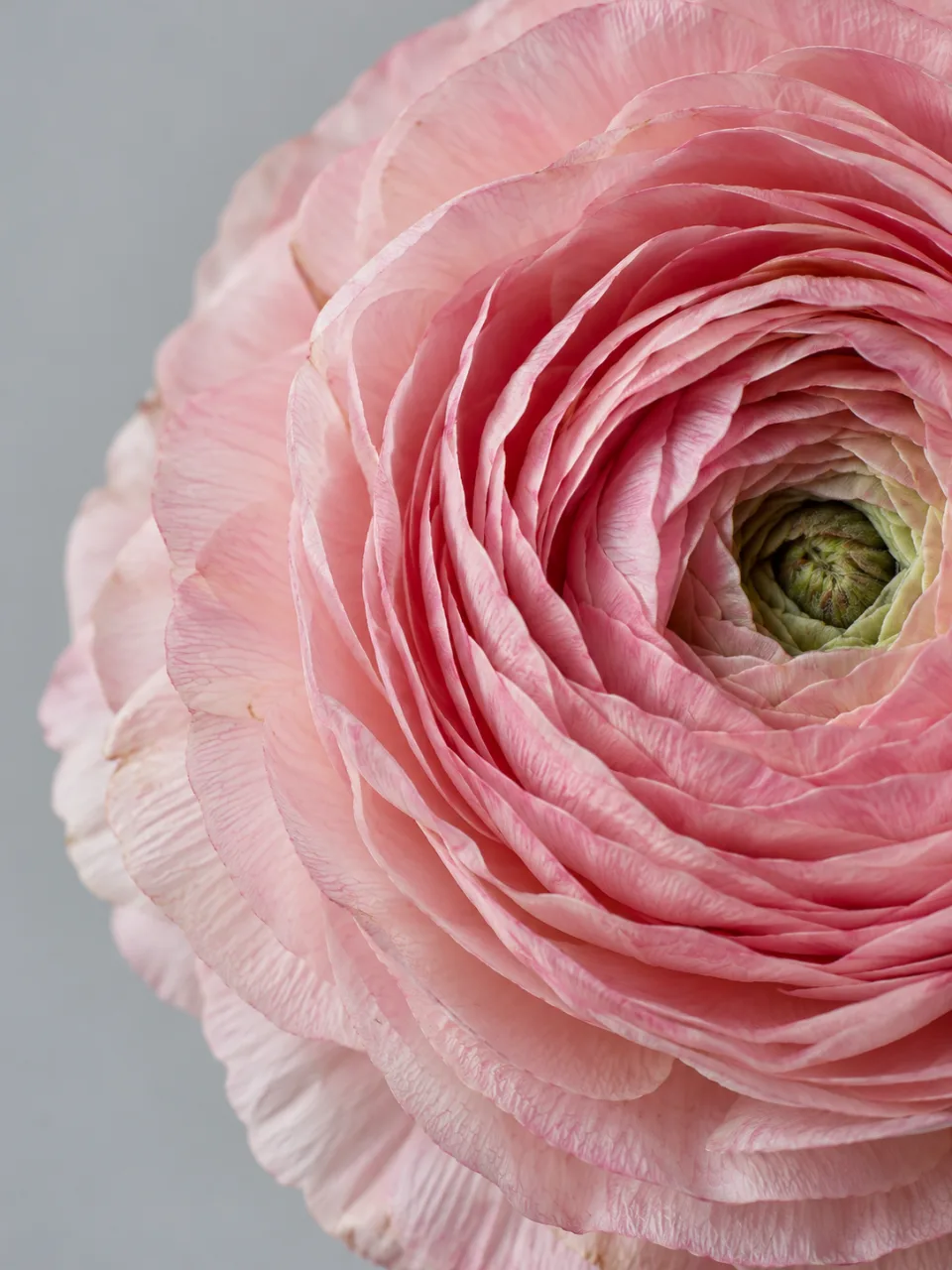
Pink ranunculus, close-up

Ranunculus

A hundred petals on a thin stem

Last
5–7 days
Water
5–7 cm, cool
Cut
every 2 days
  • The stem is hollow and soft — it needs little water, 5–7 cm: in deep water it rots
  • Change the water every day and recut the stems every two days with a sharp knife
  • Remove all leaves that would end up in the water
  • They love coolness: move the bouquet away from radiators overnight
Blue gypsophila in soft bokeh

Gypsophila

Dries beautifully right in the vase

Last
7–10 days
Water
a third of the vase
Cut
every 2–3 days
  • Loosen the tight bunch: the sprigs need air, otherwise they go mouldy
  • Fill a third of the vase and change the water every two days
  • Strip the small sprigs that would end up in the water
  • To keep it for long, leave it in the vase without water: gypsophila dries and holds its shape
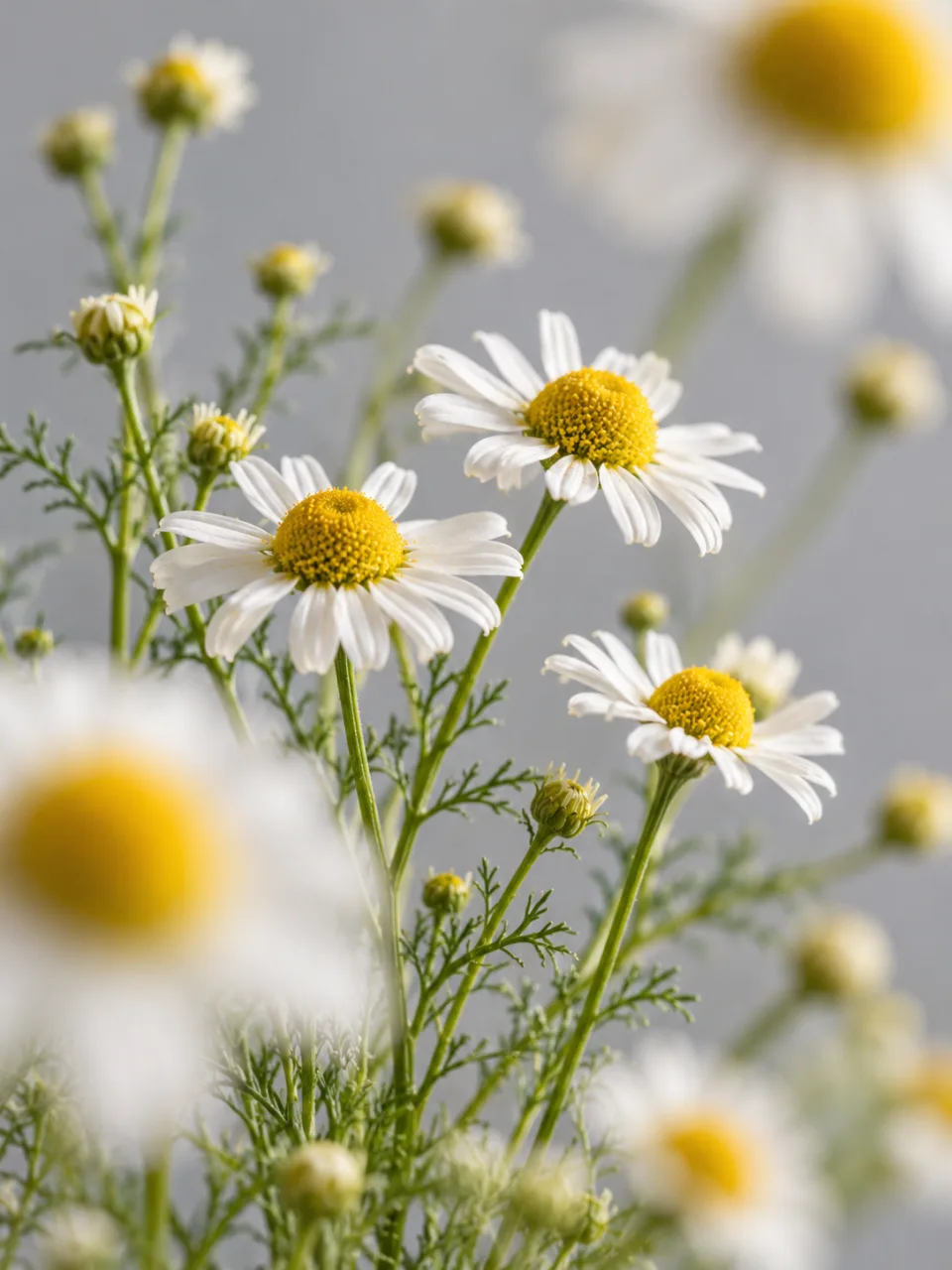
Daisies in soft bokeh

Daisies

Simple and easy-going

Last
7–10 days
Water
a third of the vase
Cut
every 2 days
  • Strip all the greenery below the water line: small leaves rot quickly
  • Fill a third of the vase and change the water every day
  • Recut the stems every two days with a sharp knife
  • Keep away from sunlight and radiators: in the heat the petals droop within a day
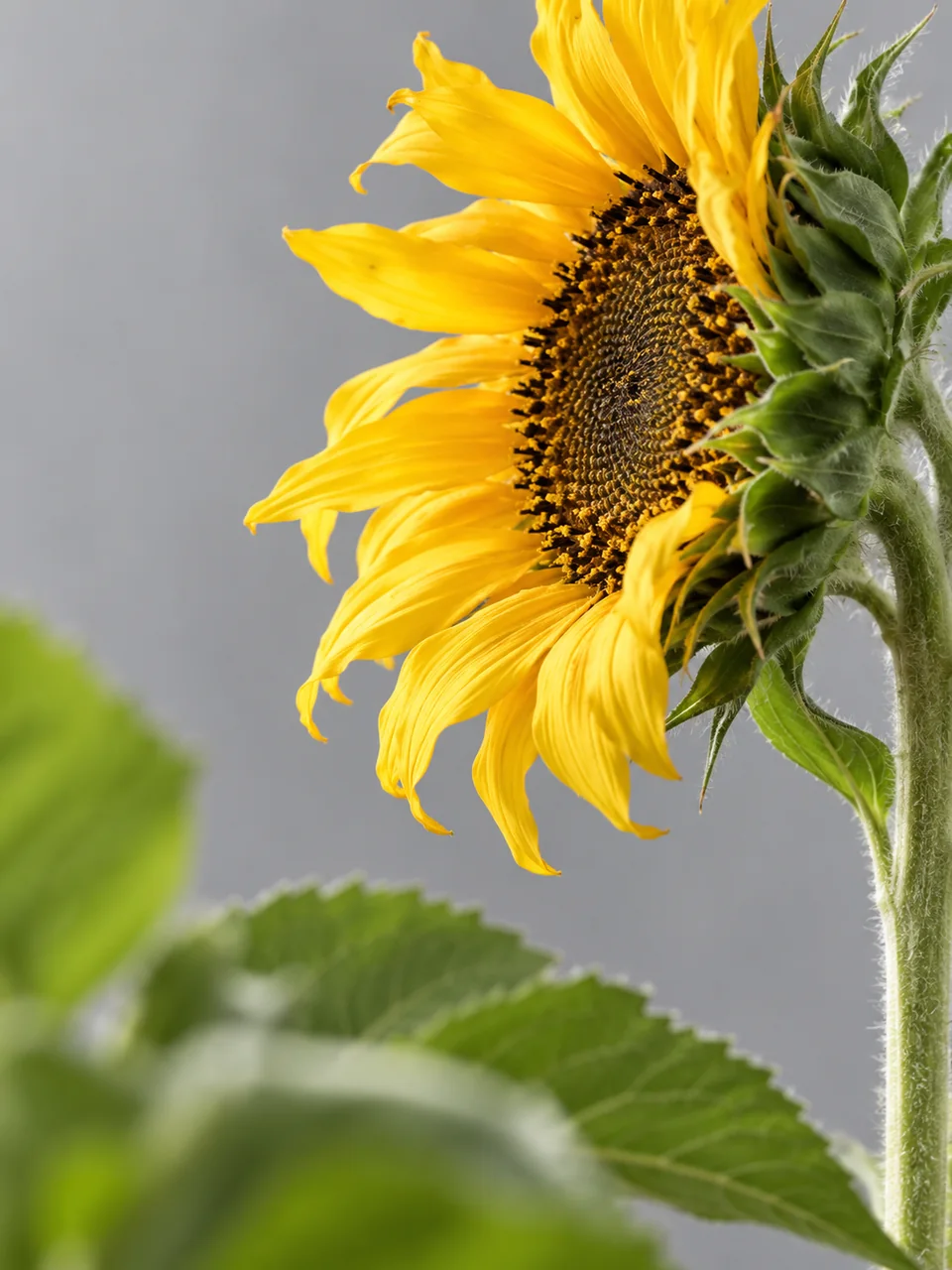
Sunflower on a grey background

Sunflowers

Drink more than any other flower

Last
7–10 days
Water
plenty, vase two thirds full
Cut
every 2 days
  • Fill the vase two thirds full and check the level every day: they drink fast
  • The head is heavy — use a tall, stable vase that supports the stem
  • Leave a couple of top leaves and strip the rest: they take water from the flower
  • If the head droops, re-cut the stem by 2–3 cm and stand it in deep water for a couple of hours
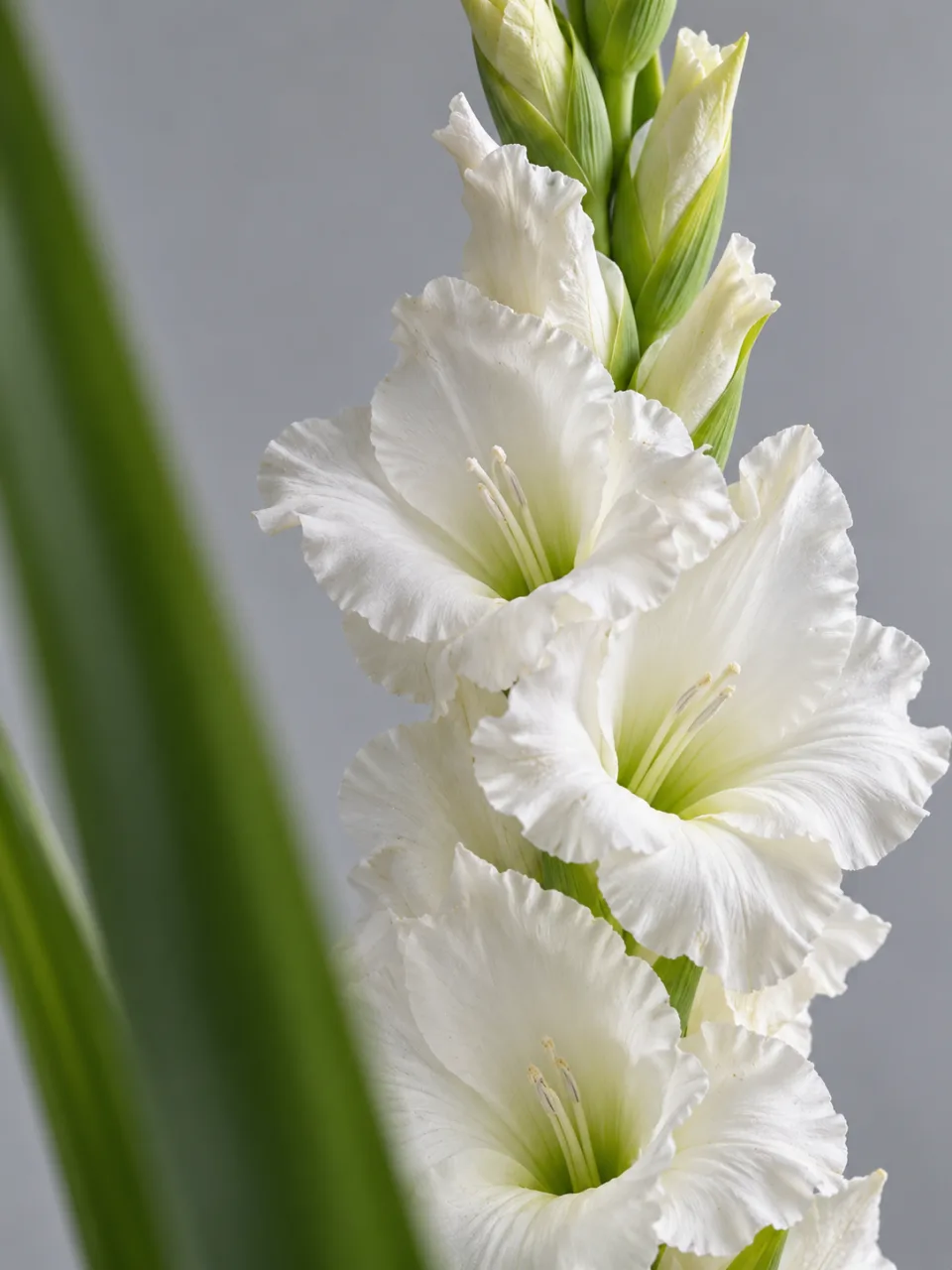
White gladiolus on a grey background

Gladioli

Open from the bottom up

Last
7–10 days
Water
a third of the vase
Cut
every 2 days
  • A tall spike needs a tall, heavy vase: a light one will tip over
  • Pick off the faded lower florets — the upper buds will open in turn
  • Fill a third of the vase and change the water every two days
  • Pinch out the top one or two buds — the rest will open more evenly
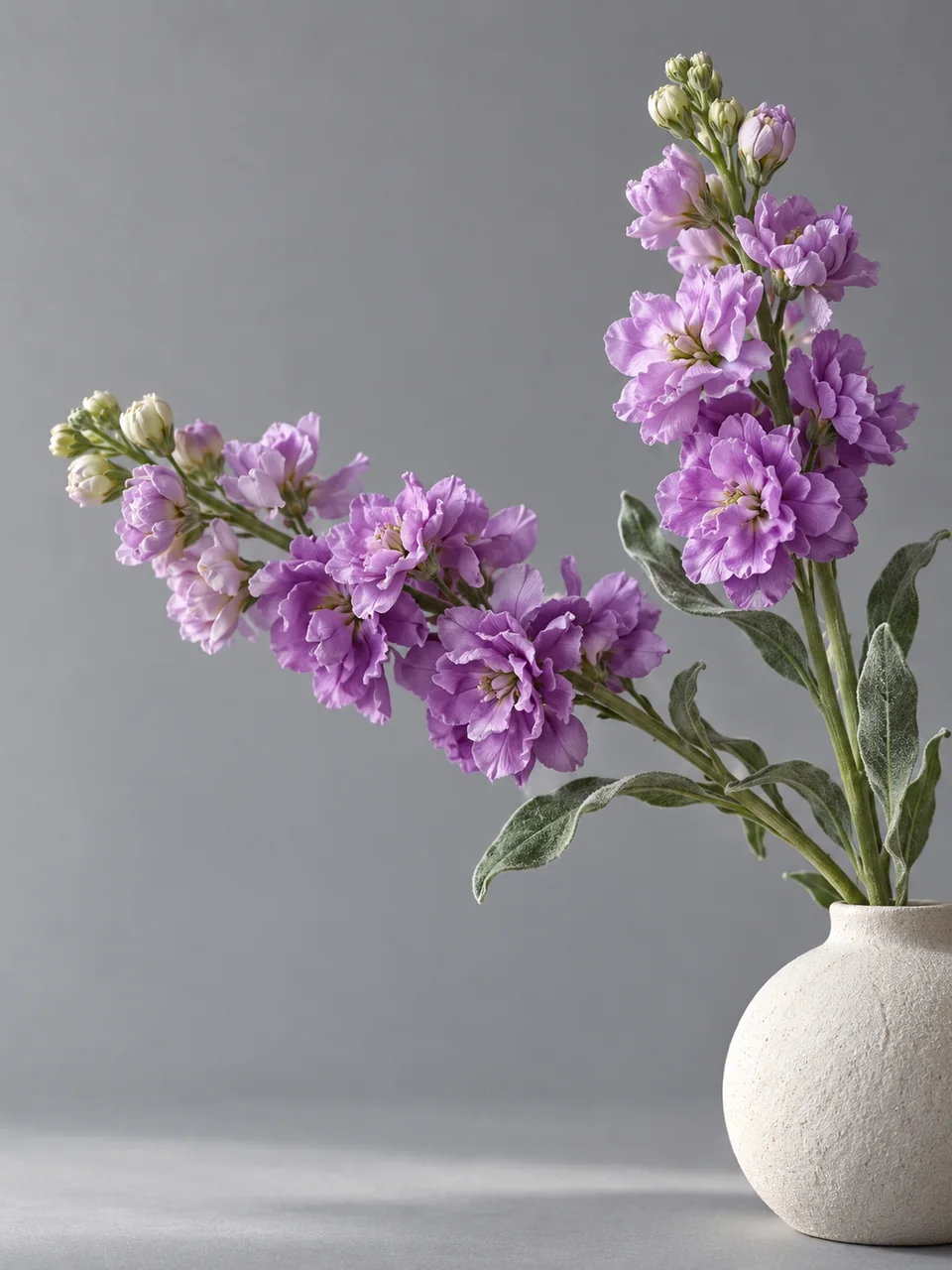
Lilac stock flowers in a ceramic vase

Stock

Matthiola with a scent that fills the room

Last
5–7 days
Water
change every day
Cut
every day
  • Strip all leaves below the water line: on stock they rot first
  • The water clouds quickly — change it every day and wash the vase
  • The stem is soft: re-cut it every day with a sharp knife
  • The lower florets fade first — pick them off and the top buds will open
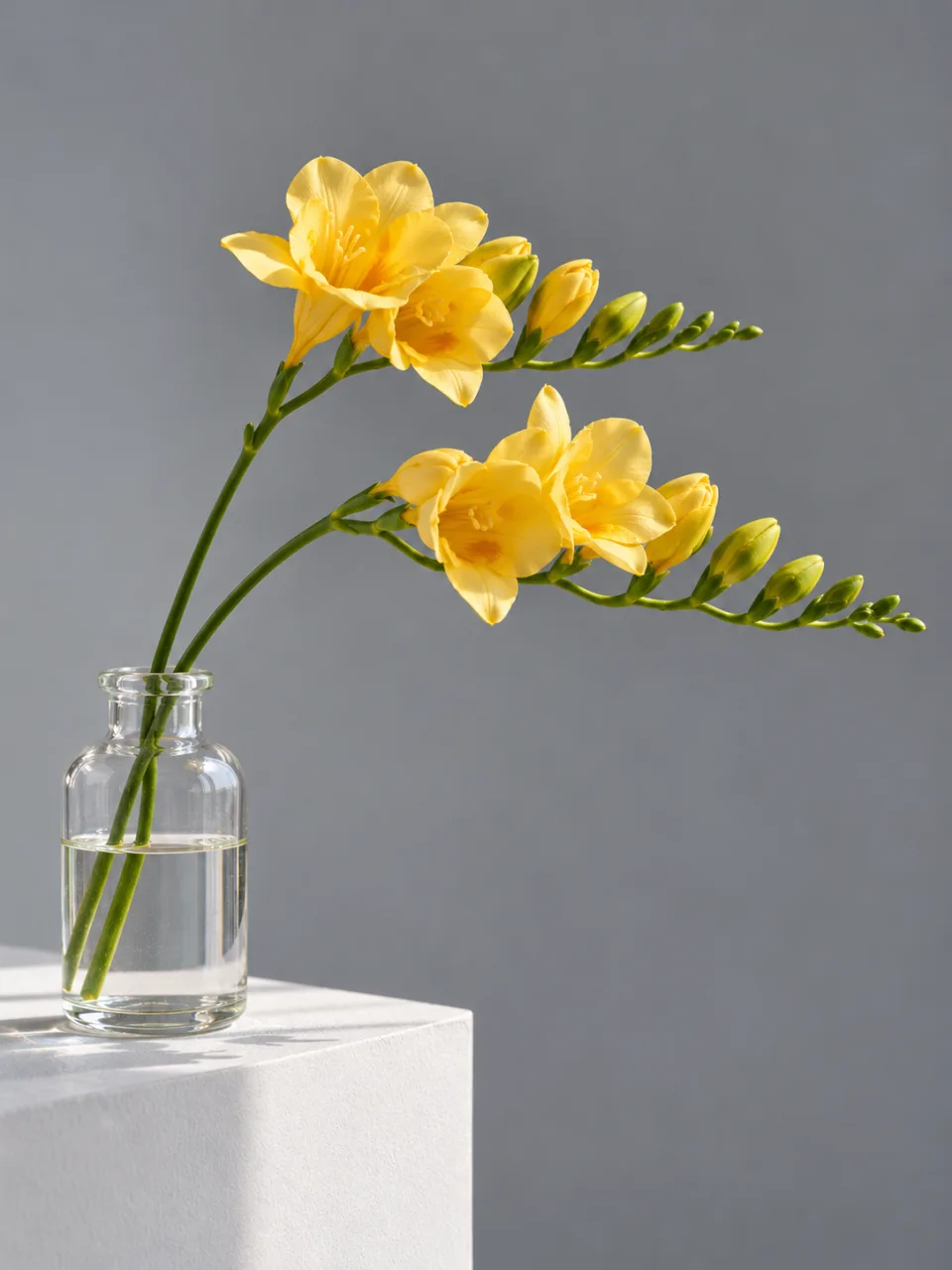
Yellow freesia in a glass vase

Freesias

A delicate scent and buds that open in turn

Last
7–10 days
Water
a third of the vase
Cut
every 2 days
  • Pick off faded blooms — the next buds on the spray will open
  • Fill a third of the vase and change the water every two days
  • The stems are thin: cut with a sharp knife and do not squeeze them
  • Keep away from fruit and draughts: ethylene stops the buds from opening
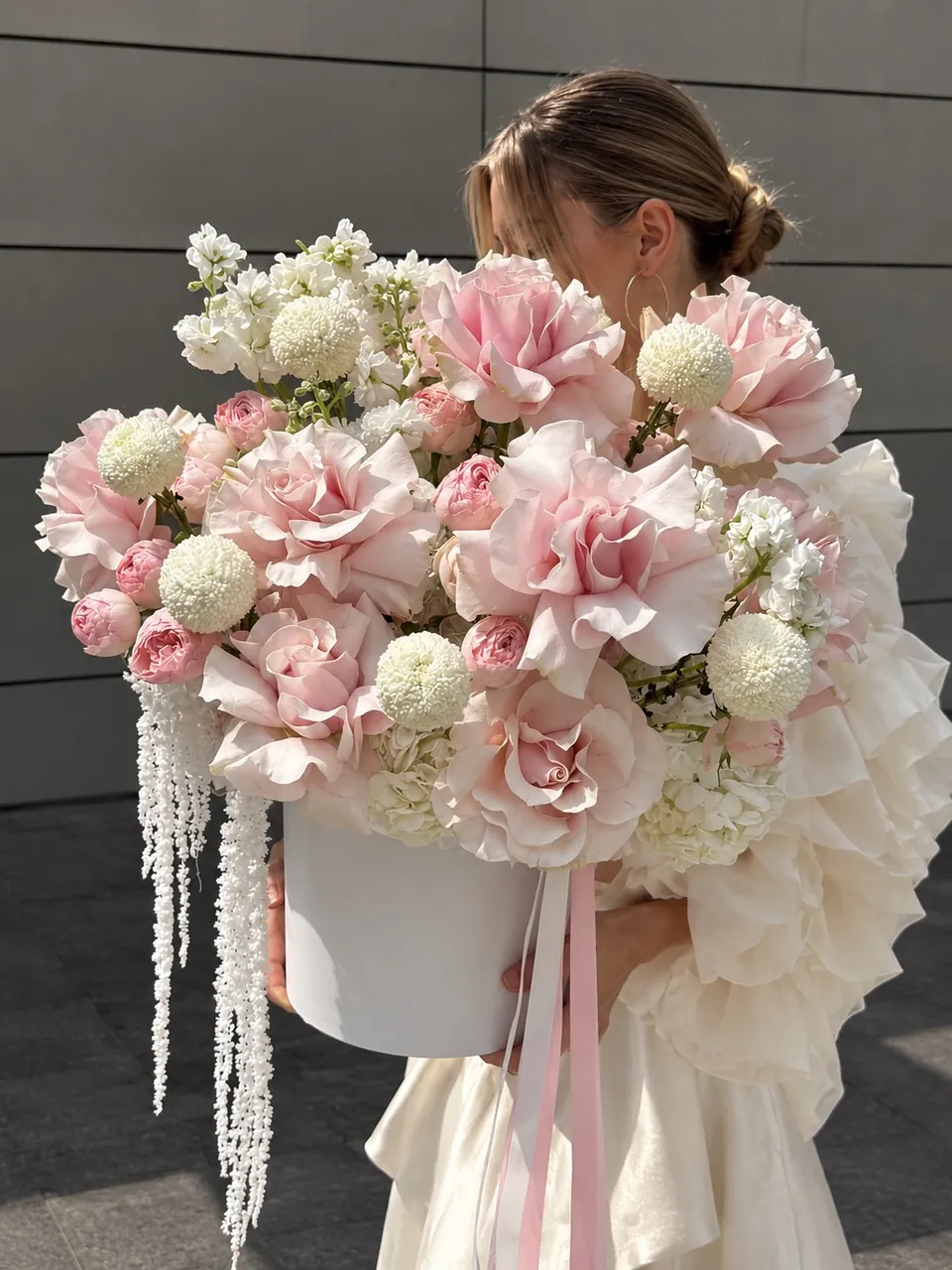
A young woman holding a hat box with pink roses and hydrangea
No vase neededThe flowers stand in wet floral foam

Arrangementin a box

  1. Do not take the flowers out. The foam holds water and the shape of the arrangement — once a stem is pulled out, it cannot be put back.
  2. Water the foam. Every two days pour 100–150 ml of water between the flowers, straight into the foam, so that it does not leak onto the bottom of the box.
  3. Keep it cool. The cooler the room, the longer the arrangement stays fresh.
  4. Remove faded flowers. Gently take out a wilted flower — the rest will look as good as on the first day.
Watering
every 2 days
Water per time
100–150 ml
Basket, hat box
the same care

Six mistakesthat steal days

Almost everyone makes them — and the bouquet wilts three or four days earlier

  • Scissors instead of a knife

    They crush the stem, and the flower drinks worse. You need a sharp knife — a kitchen one will do.

  • Topping up instead of changing

    Bacteria multiply in old water, even if it looks clear.

  • Leaves in the water

    They rot first and make the water cloudy within a day.

  • Fruit nearby

    Apples and bananas release ethylene — it makes buds wilt faster.

  • Radiators and sunlight

    The heating season in Almaty dries the air: keep the bouquet away from radiators and the windowsill.

  • Sugar and aspirin

    Flower food from the sachet works better: it contains both nutrients and an antiseptic in the right proportion.

If the bouquet
droops

The roses hang their heads

Recut the stems by 2–3 cm, wrap the bouquet tightly in paper so the stems straighten, and stand it in deep cool water for 1–2 hours.

The hydrangea wilted overnight

Submerge the flower head entirely in cool water for 30–40 minutes, then recut the stem and put it back in a full vase.

The water turns cloudy on the second day

Wash the vase with detergent, remove all leaves below the water line, recut the stems and add flower food.

The tulips have bent

That is normal: they keep growing and reach for the light. Wrap the bouquet in a paper cone and stand it in cold water for a couple of hours.

The peonies will not open

Put them in warm water and a warm bright room. The buds will open within a day or two.

Did not help?

Send a photo of the bouquet on WhatsApp — a florist will tell you how to save it. And if the problem is the quality of the flowers, we will solve it under our return and replacement rules.

Daily, 9:00–24:00 · +7 (778) 746-00-36

A guidefor your fridge

Six rules on one card. Print it or save it as a PDF — and keep it next to the vase.

Bouquet care

To make your bouquet last a week and longer

  1. Remove the wrapping and recut the stems with a knife at a 45° angle
  2. Remove the leaves that would end up in the water
  3. Change the water every day and recut the stems — every two days
  4. Add flower food from the sachet
  5. Keep the bouquet away from radiators, sunlight, draughts and fruit
  6. Water a boxed arrangement: 100–150 ml into the foam every two days
Ask a florist+7 (778) 746-00-36pro-buket.kz
Bouquet added to the cart